
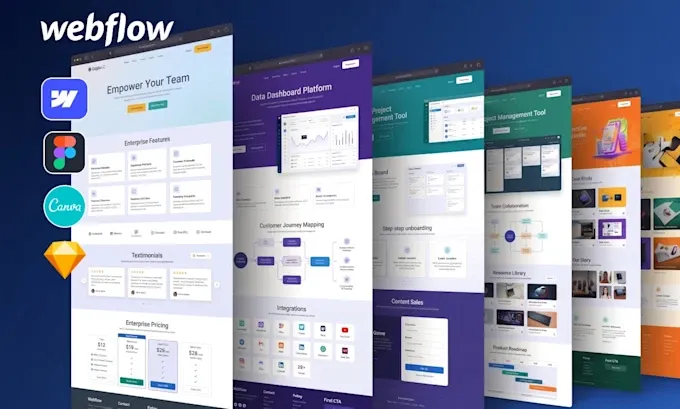
Have you ever landed on a website that looked like an absolute masterpiece, but after clicking around for two minutes, you still couldn't figure out what the company actually sold? It happens more often than you might think. In the endless race to win design awards, many businesses completely forget that their website has exactly one primary job: generating revenue.
Today, building high-performing marketing websites requires striking a delicate, intentional balance between visual branding and aggressive conversion strategy. You cannot sacrifice usability for aesthetics, nor can you rely on a boring, sterile template to build brand trust. This is exactly where Webflow shines, provided it is utilized correctly by a team that understands digital behavior. In this breakdown, we are going to explore the specific best practices an expert webflow agency uses to build sites that do not just look incredible, but actually capture leads, engage users, and drive serious business growth.
Shifting from Digital Brochures to Conversion Engines
A lot of legacy platforms treat websites like static digital brochures. You upload some text, add a few stock photos, and hope for the best. But modern marketing demands agility. You need landing pages that can be duplicated and customized in minutes, not weeks, to match specific ad campaigns. To turn a site into an active conversion engine, top developers follow a strict set of architectural rules.
Minimalist, Purpose-Driven Interactions
Webflow is famous for its robust animation capabilities. You can make text fly in from the margins, images spin on scroll, and background gradients morph dynamically. But just because you have the power to do something, doesn't mean you should.
Excessive animations create massive cognitive overload and distract the user from the core message. The best practitioners use micro-interactions specifically to guide the visitor's eye. A subtle button hover effect or a staggered load on a pricing grid can draw attention to a call-to-action (CTA) or help explain a complex product feature. Every single animation must serve the ultimate conversion goal; otherwise, it is just digital clutter.
Uncompromising Page Speed
Bounce rates skyrocket if a page takes longer than three seconds to load. Unlike bloated legacy systems that rely on dozens of heavy, conflicting plugins to function, Webflow produces incredibly clean, semantic code right out of the box.
However, human error can still ruin this performance advantage if a team uploads massive, uncompressed images or excessively heavy background videos. A professional webflow development agency will strictly enforce asset optimization. They utilize modern WebP formats, implement lazy loading for off-screen images, and keep the Document Object Model (DOM) size as lean as possible. Fast sites provide a frictionless user experience, and frictionless experiences naturally convert at a much higher rate.
Scalable CMS Architecture for Content Marketing
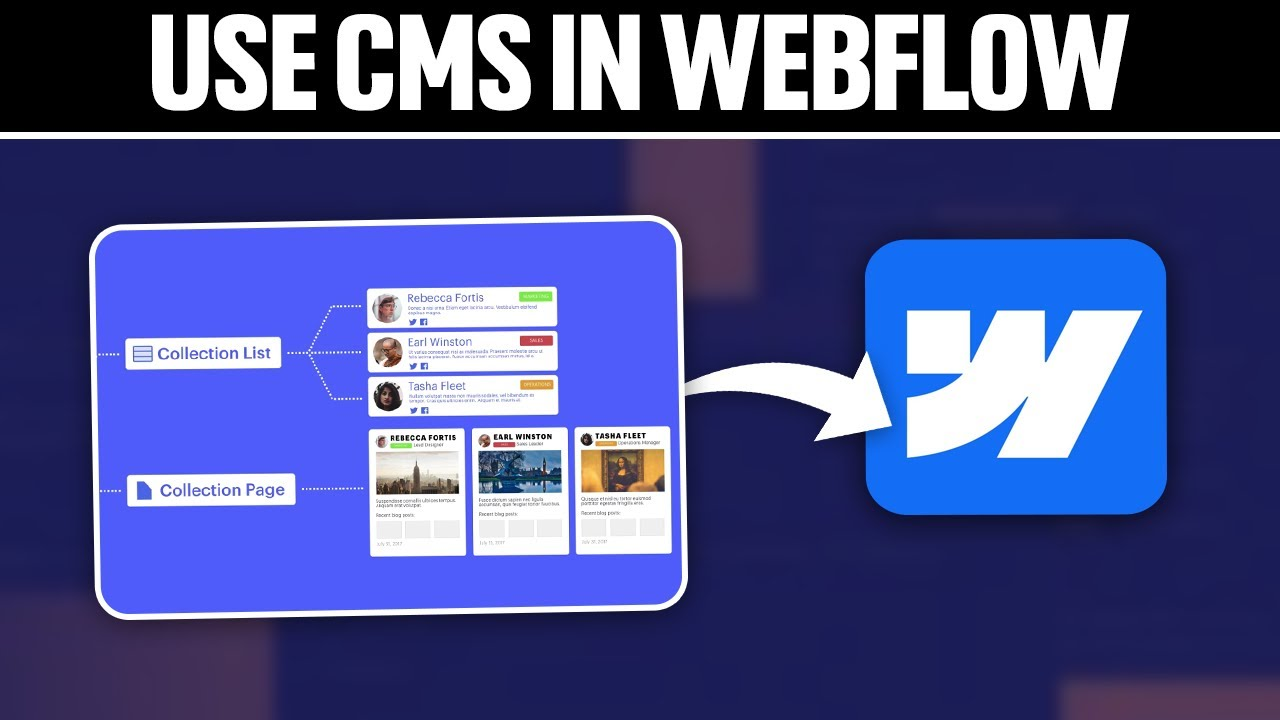
Traffic is the absolute lifeblood of conversion. To get consistent traffic, you need valuable content. While Webflow’s Content Management System is highly visual and intuitive for marketing teams to use, its real power lies in its underlying structure.
Structuring your CMS collections to easily deploy programmatic SEO pages, localized landing pages, or deep-dive case studies is a game-changer. When a marketing websites plans a large-scale inbound campaign, they need the infrastructure to support rapid content deployment without breaking the site's global design system. By utilizing reference fields and dynamic templates, agencies ensure that every new piece of content automatically looks perfectly on-brand and includes optimized lead capture forms.
High-Converting Form Strategies
The form is where the actual conversion happens. It is the finish line. A beautiful website with a clunky, intimidating contact form will fail every time. Best practices dictate keeping forms incredibly simple, asking only for the absolute minimum amount of information necessary to qualify the lead. Furthermore, integrating these native forms smoothly with external CRMs like HubSpot, Salesforce, or Marketo ensures that once a lead is captured, the sales team receives it instantly and can strike while the iron is hot.
Evaluating the Platform: Pros, Cons, and Common Questions
Before completely overhauling your digital presence, it is important to look at the realities of the platform in a holistic way, balancing its advantages with its limitations and addressing the common questions business owners ask when planning a migration.
The biggest pro of this ecosystem is the complete design freedom it offers without sacrificing clean, indexable code. You get enterprise-grade security because there are no vulnerable database plugins to constantly update, and the native AWS hosting ensures massive scalability during high-traffic events like major product launches. On the flip side, the most notable con is the incredibly steep learning curve. This isn't a simple drag-and-drop builder designed for weekend hobbyists; it requires a legitimate understanding of CSS classes, flexbox layouts, and web architecture.
Because of this complexity, people often ask if they really need a specialized partner or if they can just handle the build internally. The truth is, attempting to DIY a complex corporate build usually leads to a messy, unscalable backend that has to be entirely rebuilt six months later. Another frequent question is how the platform integrates with existing marketing stacks. Because it plays incredibly well with tools like Zapier, Make, and native API webhooks, connecting your email platform, analytics, and advertising pixels is a highly streamlined process that rarely requires custom coding.
The Final Verdict on Conversion-Led Design
Scaling a business online requires stepping away from vanity metrics and focusing intensely on user behavior. A website is an investment, and like any investment, it needs to yield a measurable, predictable return.
Great design builds initial trust, but a clear, logical architecture is what actually drives user action. By leveraging lightning-fast hosting, purpose-driven animations, and a highly scalable CMS, a dedicated team can transform an underperforming domain into a relentless, 24/7 sales representative. When your digital foundation is built specifically for speed and clarity, capturing high-value leads becomes a predictable process rather than a guessing game.